CONTENTS

🤓 The 2026 Local Search Ranking Factors are here!! Check out the report!

The busiest season of the year for most local businesses is about to kick off. Take time today to read through the major developments that happened in the past quarter to be sure you see opportunities for promoting your brand over the next few months.
I’ve got original case studies, intriguing new features, and deep data for you in this edition of Whitespark’s quarterly local roundup, and you’re sure to see something here you missed!
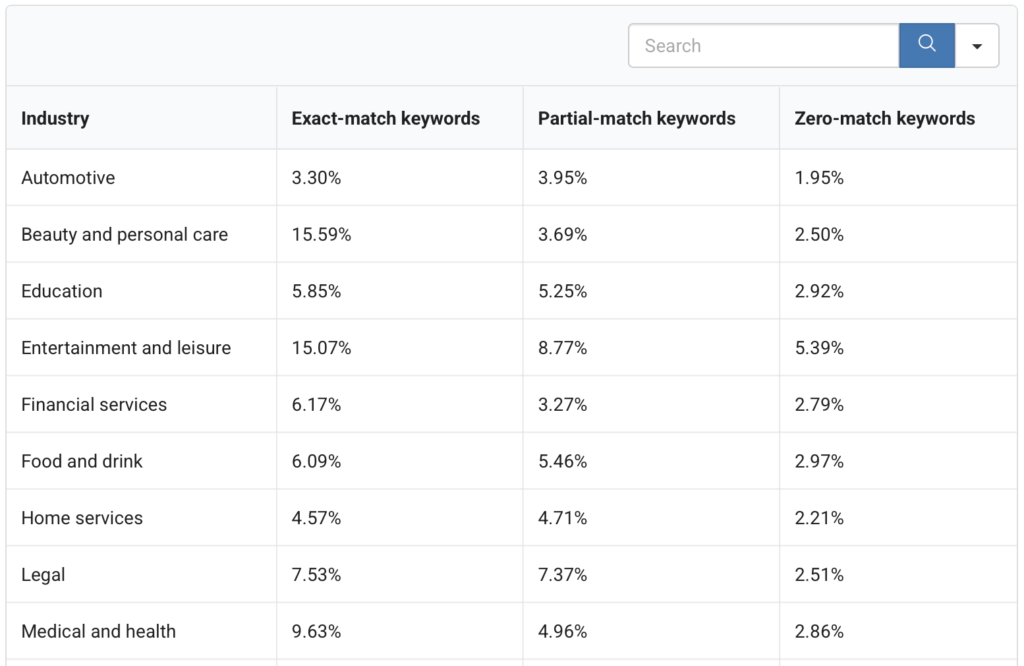
Whitespark analyzed 1.4+ million Google Business Profiles across 17 industries to identify any possible correlations between exact- and partial-match keywords in business titles and rank in Google’s local packs. Key takeaways from this original research include:
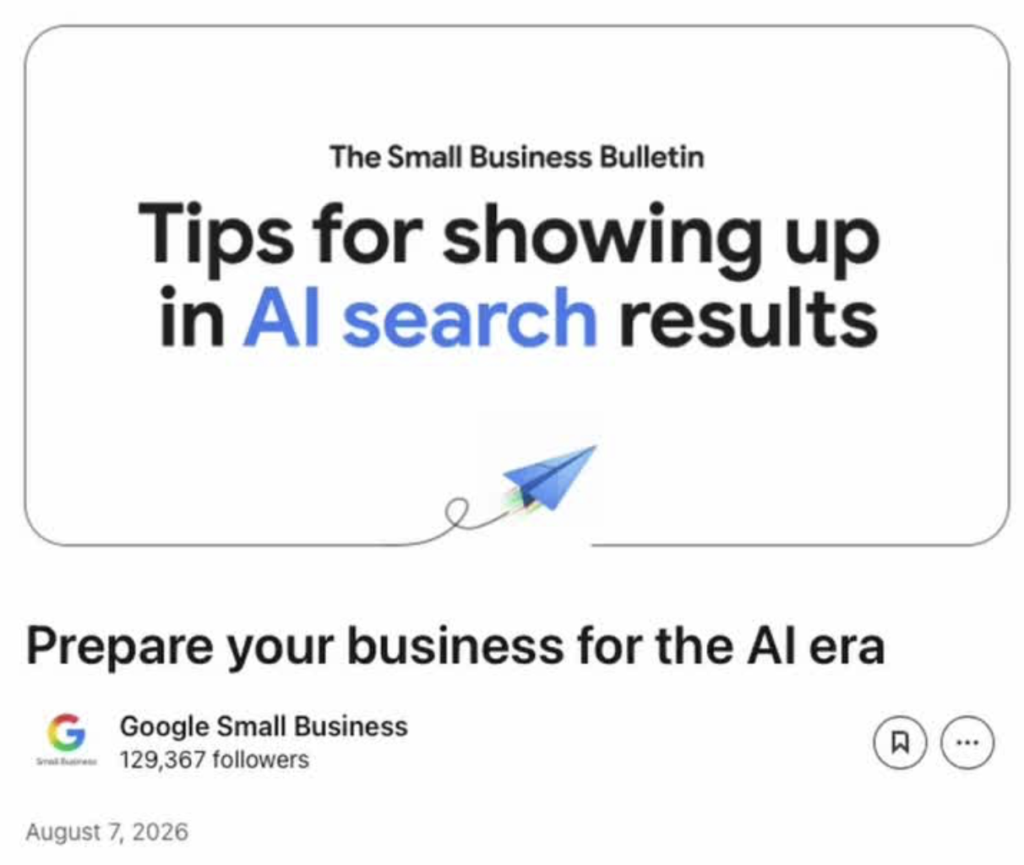
Google’s Lisa Landsman shared the newsletter I’ve linked to above, featuring the search engine’s own advice to small business owners for showing up in AI results. If you’re worried that your Google Business Profile is somehow becoming obsolete due to the ballooning of AI, note this:
“Keep your local business details complete: Generative AI features pull directly from your Google Business Profile and Google Merchant Center product feeds to recommend local businesses, services, and in-stock inventory in real time.”
So, definitely, don’t walk away from the work you’re doing on your GBP, and you can read Google’s full guide to AI optimization here.
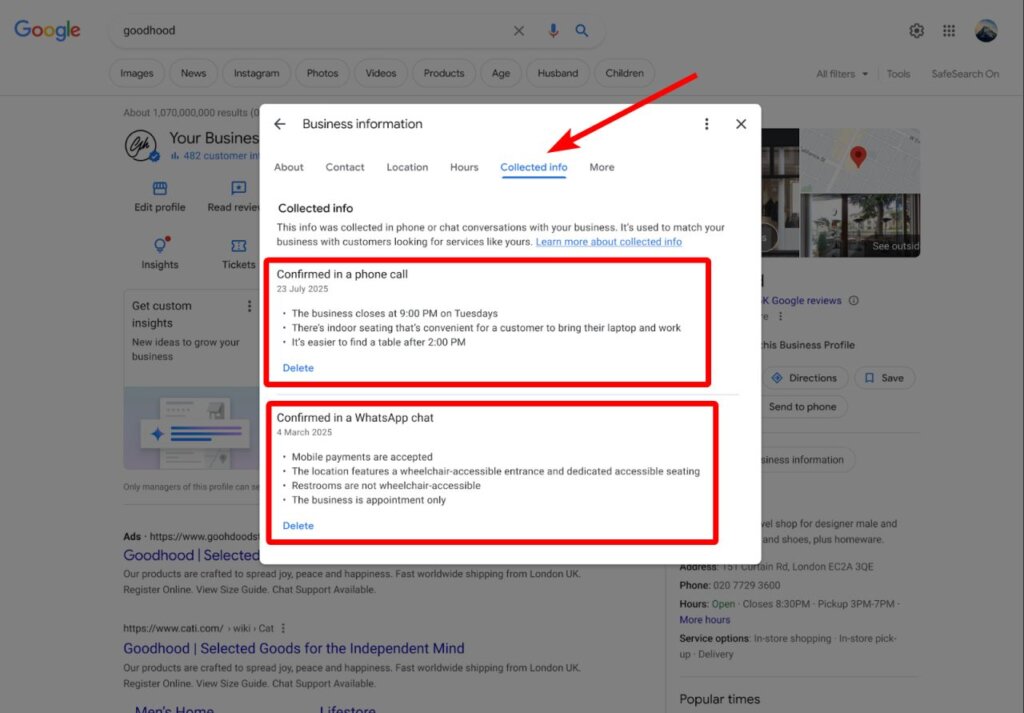
Darren Shaw shared this screenshot of the new NMX tab which allows business owners to:
Darren notes,
“Google has been increasingly using AI and automated calls to keep Business Profiles updated.
Now, businesses finally have a clearer way to see what was collected and remove anything that is incorrect.”
Google updated this help doc to further describe the use of the new tab.
It wouldn’t be a Whitespark Quarterly Roundup without some great finds by the brilliant Claudia Tomina. She provided a great rundown of agentic developments in Google’s Ask Maps, including:
I have significant concerns about the real-world impacts of agentic scenarios on local business owners. Imagine a small diner receiving an order for 6 lunches, only to discover that it originated from a mistaken or rogue agent “believing” it had been prompted to order these meals. The cooks can’t un-make a half dozen sandwiches when no one shows up to pay for them, and the loss will be all on their side. Think things like that can’t happen? I highly recommend reading Endgadget’s piece on what Claude may be doing in your email inbox right now. AI and agentic features are rolling out every day in 2026 with an apparent lack of any thought as to what could go wrong with them.
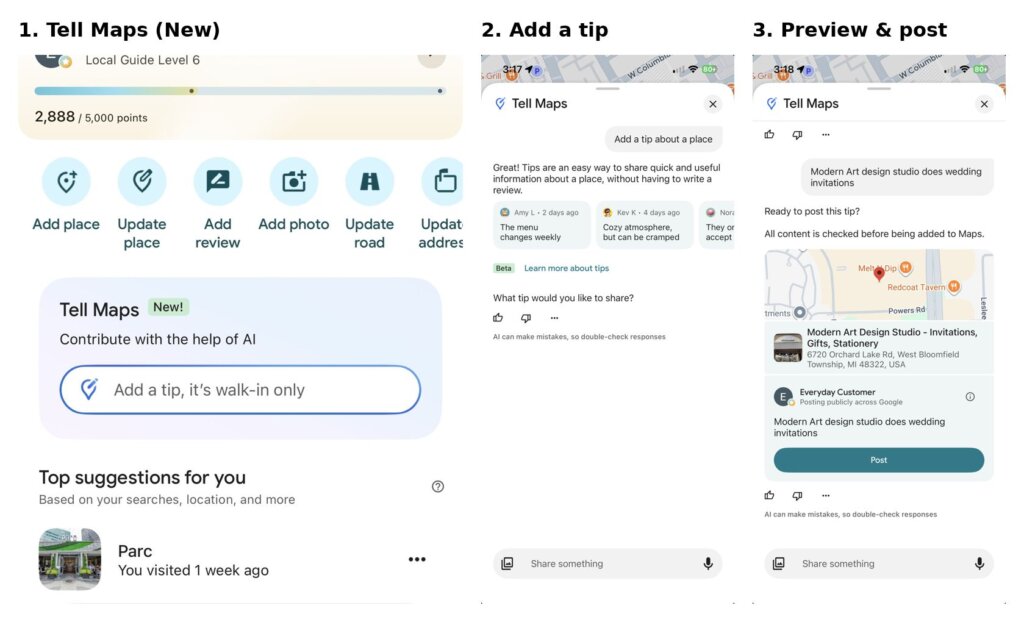
Claudia Tomina captured this screenshot of the new “Tell Maps” features Google announced in August. Here’s Google’s description:
“Insights from over 500 million contributors play a big role in keeping Maps fresh and helpful, and now we’re making it simpler to share updates. You can suggest edits conversationally, right from Ask Maps and the Contribute tab. You can even upload a photo of a storefront sign — Maps will detect the new hours from the image, and ask you to confirm before submitting the suggestion for you. As always, Maps’ built-in protection systems review suggested edits for accuracy, and won’t post suggestions that violate our policies. It’s also easy to tell Maps about an insider tip — just say something like “more parking is available behind the building,” and Ask Maps will surface this helpful information to others in the community.”
Claudia notes:
“I tested it this week, and it’s genuinely agentic. Meaning the AI isn’t just answering questions, it’s taking action on your behalf: finding the listing, formatting the contribution, and posting it for you.
Here’s what I found.
It sounds like the new “toy” may not be quite ready for playtime yet, but my first reaction to seeing it is that it significantly expands our definition of reputation management beyond formal reviews. You want to be marketing the restaurant that users are saying “best hashbrowns in Sacramento” about, or the cafe that users are saying “only place you can get coffee with free parking downtown” about. Stay tuned on this rollout!
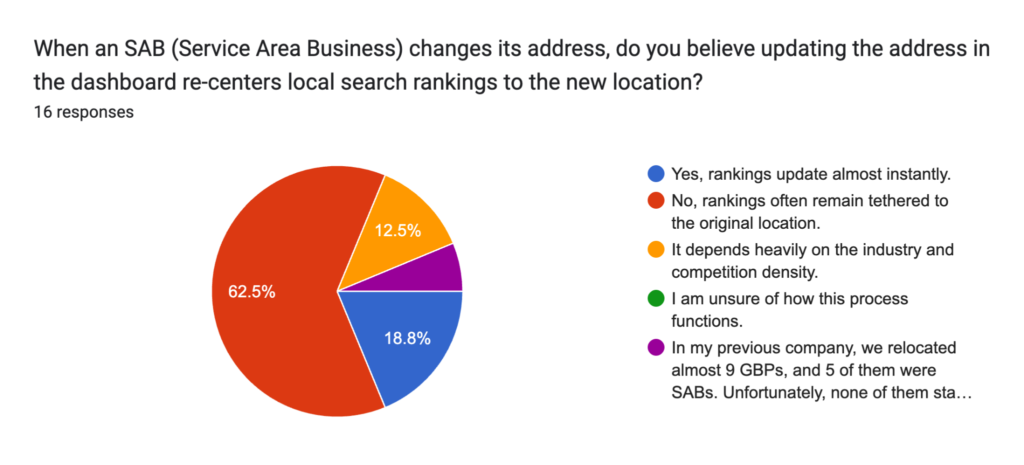
Claudia Tomina shared an excellent piece she wrote for Search Engine Land on the complex topic of whether changing your GBP address is actually moving your rankings.The article covers:
Claudia also polled local SEO practitioners for practical advice on this thorny subject. A great read!
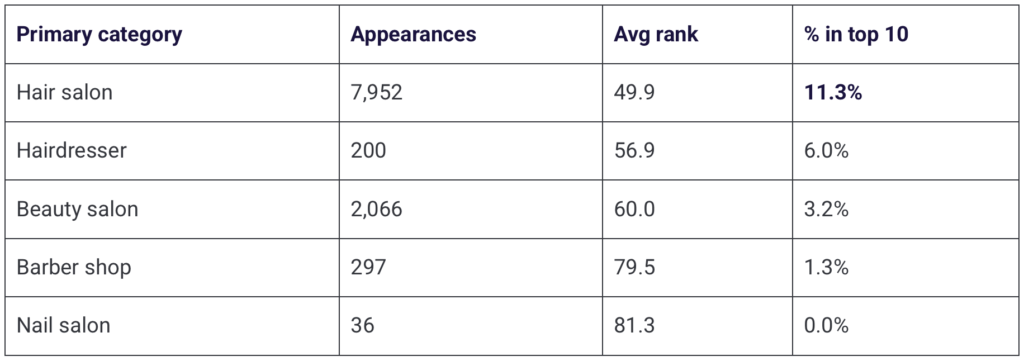
Darren Shaw conducted a major Google Business Profile study to find answers to these 4 questions:
Question 1: Is it better to pick a generic or specific category for rankings?
Answer 1: A specific primary category correlates with better rankings and a ~36% higher presence in the top 10 results.
Question 2: What are the winning primary + additional category combinations for rankings?
Answer 2: Having well-chosen, specific additional categories correlates with higher rankings (by 6-17 rank positions) when compared to businesses that only have a single primary category.
Question 3: Does Profile completeness differ systematically by category and industry?
Answer 3: Yes. Businesses in competitive industries where local SEO is essential for standing out have the most complete Profiles.
Question 4: Does GBP completeness predict rank?
Answer 4: Whitespark’s data shows that GBP completeness goes hand in hand with better rankings. Going from a 0 to a 5 in the GBP Completeness index improves average rank by ~19 positions and triples the rate of appearing in the top 10 results.
However, some of these answers are highly nuanced and I recommend reading the full piece on Search Engine Land to access all the commentary and data of this very useful study.
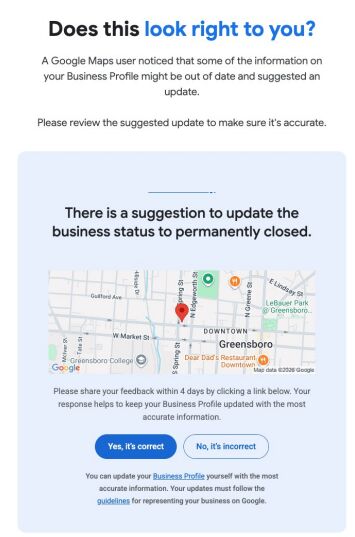
It’s been so long in coming that it’s almost hard to believe, but Claudia Tomina shared the foregoing screenshot of an email sent to a listing owner to let them know that a Maps user had suggested an edit to their profile. This is a significant moment of backpedaling on Google’s historic and infamous stance that your local business data should be an open source project. Now, if you receive an email like this one, you will have 4 days to click through and share your feedback to stop a malicious or nonsensical edit from being published live. Imagine that!
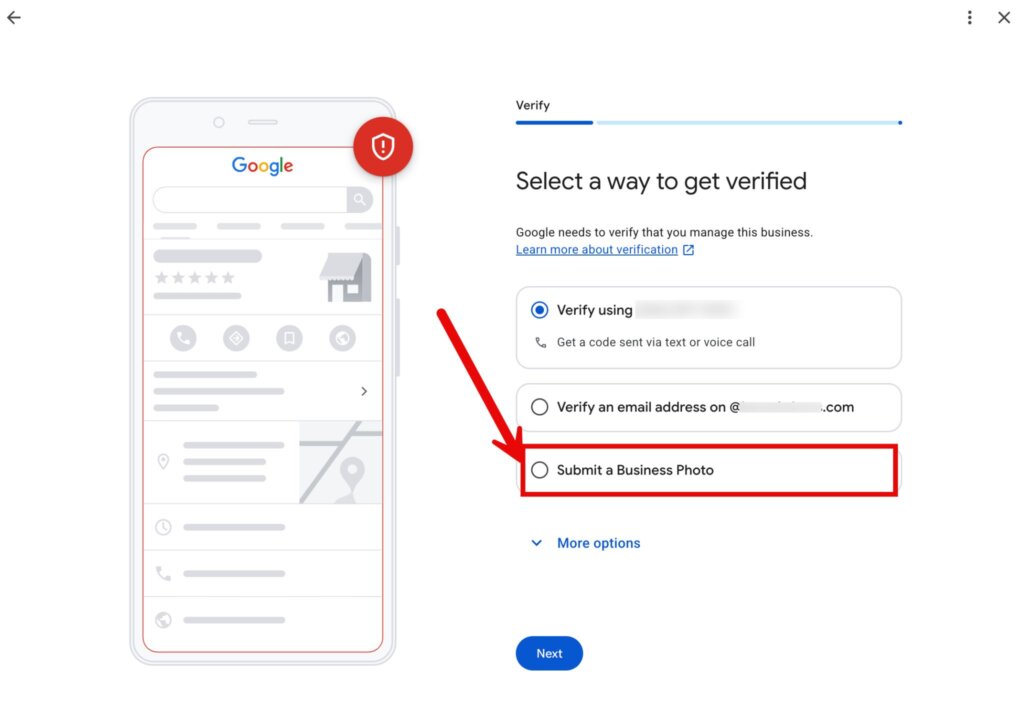
Ben Fisher spotted this new option to “Submit a Business Photo” in the GBP verification flow. While photos have long been part of validating that your business is legitimate, could it be that Google is moving toward photo verification as a separate path? If so, Ben asks these good questions:
“What happens behind the scenes? Is someone simply reviewing the photo? Or is Google using the image along with location data, Street View, existing business information, and other trust signals to determine whether the business is legitimate? If it’s the latter, this could be another step toward a much more AI-automated, risk-based GBP verification system.”
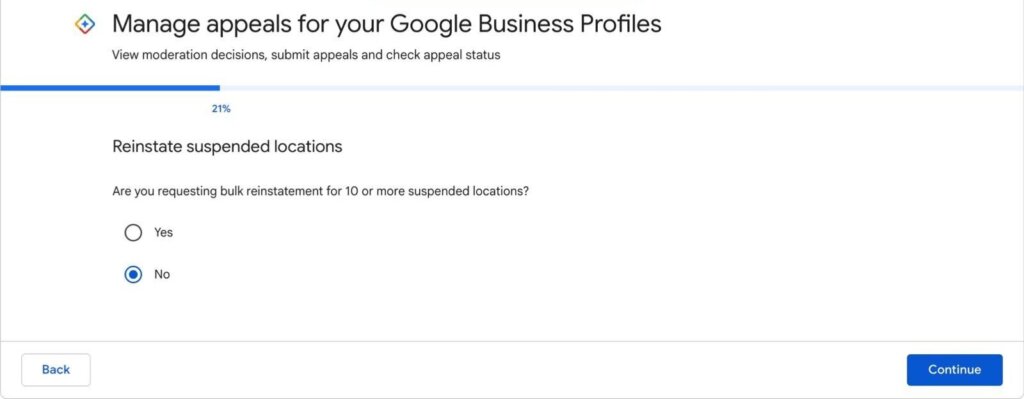
Seeking reinstatement for 10+ locations? Vinay Toshniwal notes the following positive changes to the appeals process:
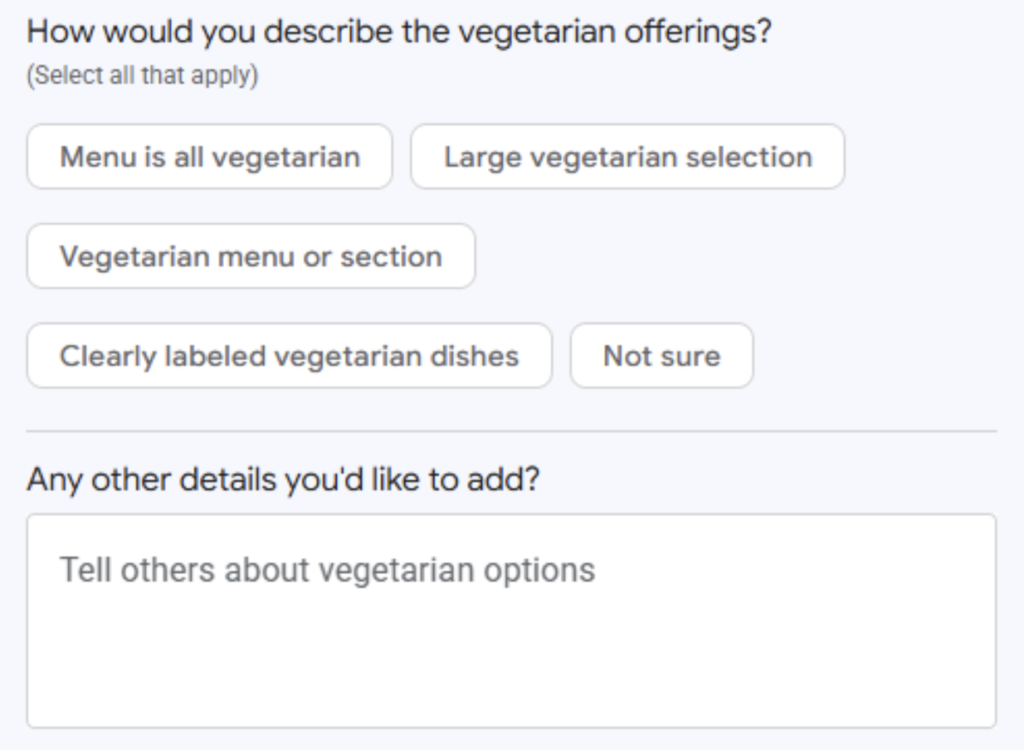
These are the additional questions Google is asking people when they are in the process of leaving a review for your business:
Whitespark conducted a large study of this underexplored topic, and here were some of our top findings:
Dig into the full report for further insights on this interesting aspect of local business reviews.
ChatGPT now has access to Yelp’s 330 million local business reviews: Yelp has licensed its reviews, ratings, photos, and business information to OpenAI, giving ChatGPT real-time data for local recommendations. Your prospective customers who use ChatGPT are going to be seeing Yelp branding all over their conversations now, and all local business owners and marketers should view this as a big flashing signal to go audit the state of their Yelp listings for:
If Yelp slipped into your rearview mirror over the past few years, it’s vital to know that your presence there is now going to have a significant impact on your AI visibility.
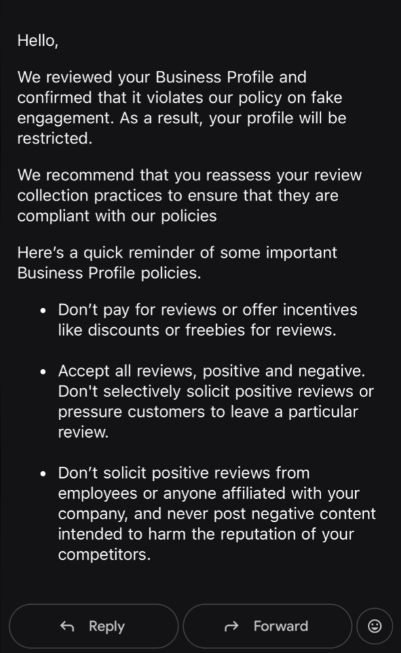
Amy Toman spotted this Reddit example of an email from Google warning that reviews on a GBP violate their policies. While you certainly don’t want your brand or clients to receive such a message, Amy notes,
“Nice to see Google being more transparent, as opposed to waiting for the business to realize the block had been imposed.”
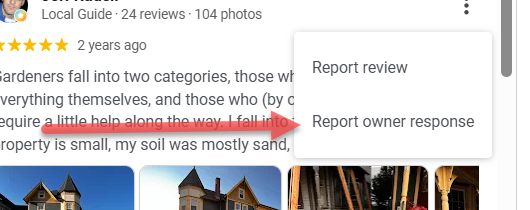
This screenshot is a second great catch from Amy Toman in the review space, highlighting a new option for users to report owner responses to Google for potential violations of their guidelines. We’ve all seen off-the-wall replies from business owners, and Amy specifically mentions instances of owners using the reply field to make personal remarks about their customer or even reveal private information about them. I expect the response would have to violate Google’s Prohibited & restricted content policy to prompt removal, but it would be good to have further clarification on this from Google.
Yext’s survey of nearly 4,000 local consumers delivers a big “settle down” moment to anyone who thinks of AI as the bottom of the sales funnel. All but 5% of your prospective customers are circling around in what Yext calls a “verification loop”, scrolling through Google’s search engine results, business websites, reviews, sources cited by AI, and social media profiles gathering information. While conversational AI tools may be a starting point to brand discovery, Yext’s findings indicate that these environments seldom seal deals. Are you bringing this understanding into the marketing strategies of the brands you’re promoting?
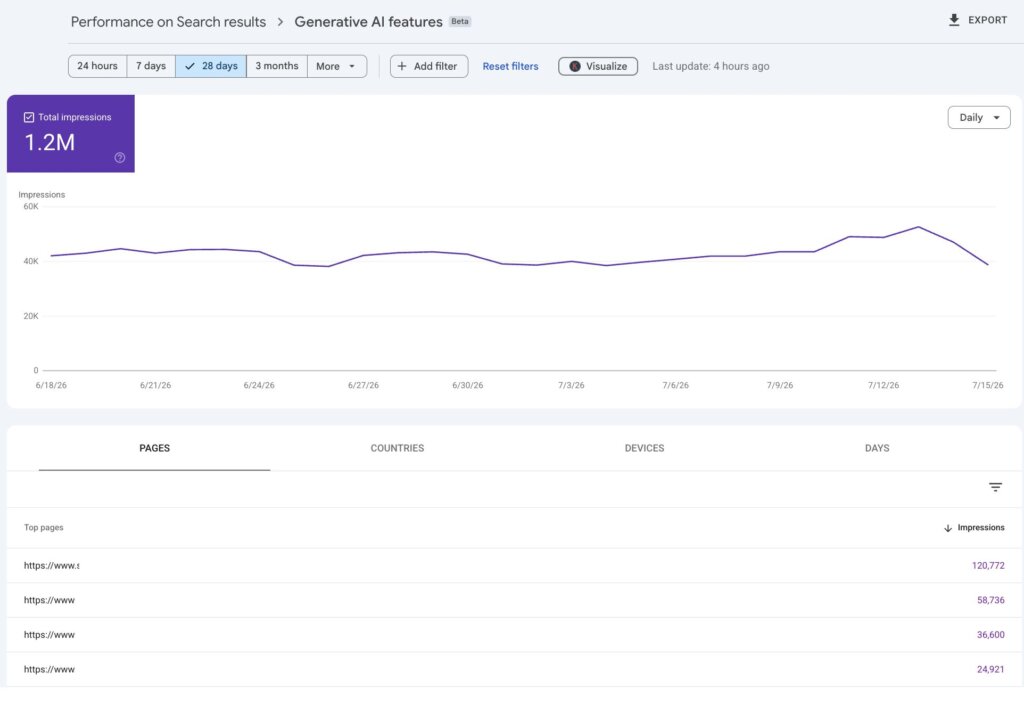
Aleyda Solis shared her experience of receiving access to the new GSC generative AI performance reporting in August. She remarked that the new feature can seem underwhelming because it only covers impressions and URLs with a combined stat for AI Overviews and AI Mode. Nevertheless, Aleyda suggests 3 ways to use the new reports:
“1. Establish your AI exposure baseline:
Track your gen AI impressions vs your total search impressions over time: your AI exposure rate. Segment by country and device to see where it’s growing (or falling).
2. Identify which content Google links from AI features:
The URLs are the goldmine: group them by directory/template to spot what gets surfaced, and how concentrated (fragile!) that visibility is and correlated to organic search traffic drops and AI traffic and revenue increases comparing with your analytics data.
3. Test your optimization actions:
Annotate your changes, compare pre/post, and benchmark optimized pages against similar non-optimized ones… AI impressions rising with flat clicks = exposure without traffic.”
As Aleyda points out, this debut matters because it’s the first free, first-party source isolating Google’s generative AI visibility.
And while you’re playing with GSC, don’t overlook the huge upgrade in its ability to track social media visibility in Google’s results.
NearMedia did a particularly good interview with Zyppy SEO founder, Cyrus Shepard, on what is becoming a dominant topic in AI discussions: brand. I recommend watching the whole interview, but here are some quick takeaways:
Anthony Higman drew Darren’s attention to the news that Google Local Services Ads are now being tested in AI Mode. Darren remarks:
“More ads means less space for organic results, and potentially fewer organic leads for businesses that are already fighting for visibility inside AI Mode. But on the other hand, if your business has no AI visibility, at least you could buy your way in now.”
Whether you view this development as ill news or a great opportunity, few people will applaud Q3’s other LSA update.
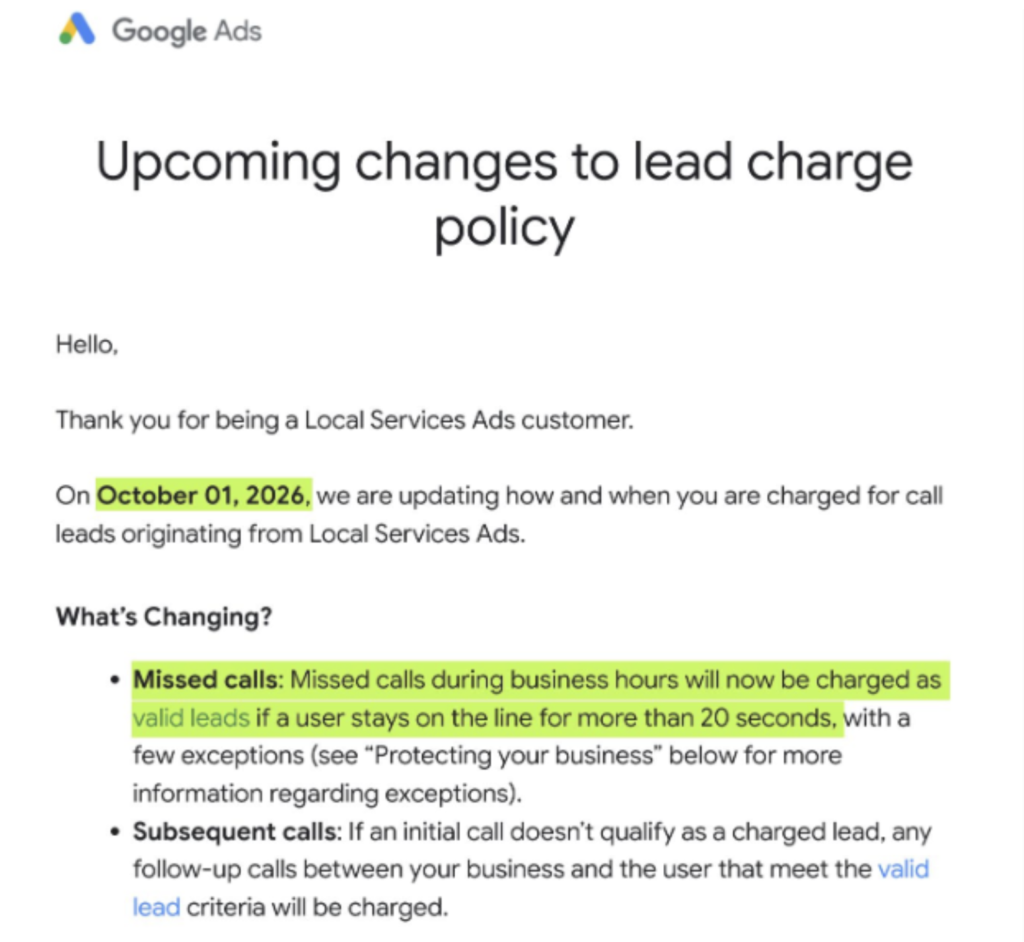
Starting October 1st, brands participating in LSA will be charged for leads on missed calls if a user stays on the phone for more than 20 seconds, with a few exceptions. My mind flies to agentic scenarios and Google racking up big paychecks on the basis of robotics jamming phone lines, but that’s just me.
OppAlerts founder, Ben Wills, shared the results of an AI search visibility ranking factors study covering 100 industries, 1100 buyer personas, 403k LLM prompts, and so much more. I recommend really digging into this data, but Darren Shaw has a quick breakdown in episode 41 of the Whitespark Local Update.
The top 3 factors Darren highlights are::
The report includes information about specific local industries, such as cosmetic dentistry and legal, so that you can look at different factors that show the highest correlation with LLM visibility.
Just remember, correlation is not causation!
AttorneySync founder Gyi Tsakalakis joined NearMedia for a fascinating chat about brand building in the legal industry, and many tactics described are applicable to multiple business industries. One worth thinking about, and that I am hearing mentioned by multiple marketers these days, is the process of building up a footprint of demand via assets that prompt users to search for your brand instead of giving them a direct link. As Mike Blumenthal explains on Linkedin:
“The play: run a giveaway, but make a Google Business Profile post the only way to enter. The signup page isn’t indexed and isn’t linked anywhere else. So the only path is — search the brand → find the profile → click the post → sign up.
Look at what that one detour buys you:
Gyi calls it ‘borderline click manipulation.’ Mike Blumenthal’s take: we’re in marketing — nothing’s borderline.”
Seasoned local SEOs witness the ebb and flow in attitudes towards both structured and unstructured citations over the past two decades. Thanks to AI, both varieties are now sitting in the driver’s seat once again in your local business marketing strategy. Bookmark Whitespark’s extremely handy and up-to-the-minute playbook on citation development for AI visibility.
Aesthetics have become hard to judge in the digital era, but AI-generated visual assets are taking us to a whole new level of cringe. One of the best conversations I heard in Q3 was this one between Darren Shaw and Claire Carlile discussing an iPullRank newsletter item regarding negative reactions to AI visuals.
Claire highlights how inundated she feels with AI-generated imagery on her social channels, and how it actually dissuades her from patronizing local events. As she says,
“I understand that you might be poorly-resourced, you might be creating this yourself and think you’ve done a super-good job, but really it is making me not want to come to the village dog show, even if my dog has got the waggiest tail where I live…I hate, hate these images.”
The iPullRank piece mentions a study by Glassdoor that found that reviews on its site that mentioned AI back in 2019 were 81% positive, but in 2026, that number has dropped to 43% positive. We’re not living in the love story that AI stakeholders want us to inhabit. In fact, I think Claire and Darren’s discussion particularly resonated with me because I am witnessing, first-hand, the flame wars that are going on in the large Tolkien community right now regarding the use of AI in depicting the author’s works. This corner of the internet has become overrun with AI imagery, and many fans are reacting with visceral disapproval when they encounter this kind of content.
From a marketing standpoint, it’s vital to remember that a long-standing tenet of brand building is identifying ways to stand out. As iPullRank suggests, brands may be using AI imagery because they think they are experimenting with being/looking edgy. In fact, what may be resulting is that they are looking indistinguishable from their competitors because everyone is doing the same thing. This creates an opportunity for authenticity that smart local businesses should seize in Q4!
Sometimes, it can be a lonely business experimenting in local business marketing, but it can help to know that all your peers have been put at the same starting line by the advent of AI. All of us are running tests and measuring results to see what works. The pace of development can be especially hard to keep up with, but don’t worry: you can check back at the end of Q4 for our next edition of this round-up series to catch up on anything you missed.
Need local SEO updates more often? Subscribe to the Whitespark Local Update for continuous and insightful coverage of local search marketing news.
Miriam Ellis is a local SEO columnist and consultant. She has been cited as one of the top five most prolific women writers in the SEO industry. Miriam is also an award-winning fine artist and her work can be seen at MiriamEllis.com.
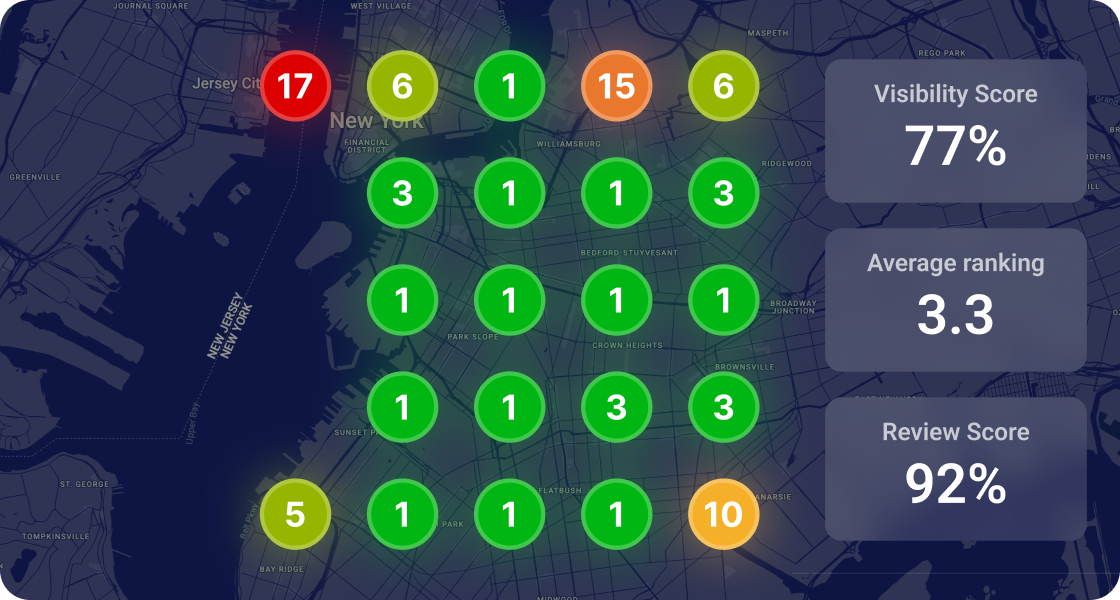


Whitespark provides powerful software and expert services to help businesses and agencies drive more leads through local search.
Founded in 2005 in Edmonton, Alberta, Canada, we initially offered web design and SEO services to local businesses. While we still work closely with many clients locally, we have successfully grown over the past 20 years to support over 100,000 enterprises, agencies, and small businesses globally with our cutting-edge software and services.